Air conditioning pressure testing needs a defined purpose, a known test boundary and the correct manufacturer procedure. Common mistakes include using an assumed pressure, overlooking the service equipment as a leak source and interpreting temperature-related changes as proof of leakage. A stable gauge alone does not establish that every connection has been examined properly.
This article is a planning and diagnostic guide for competent engineers, not a step-by-step pressure-test procedure. Applicable regulations, standards, risk assessments and the equipment manufacturer's instructions take precedence. There is deliberately no universal test pressure or duration here.
Know what the test is intended to demonstrate
New pipework may need checks for pressure integrity and leak tightness under the applicable procedure. These purposes are related but should not be collapsed into an undocumented act of putting nitrogen into the system. Identify the required checks and acceptance criteria before work starts.
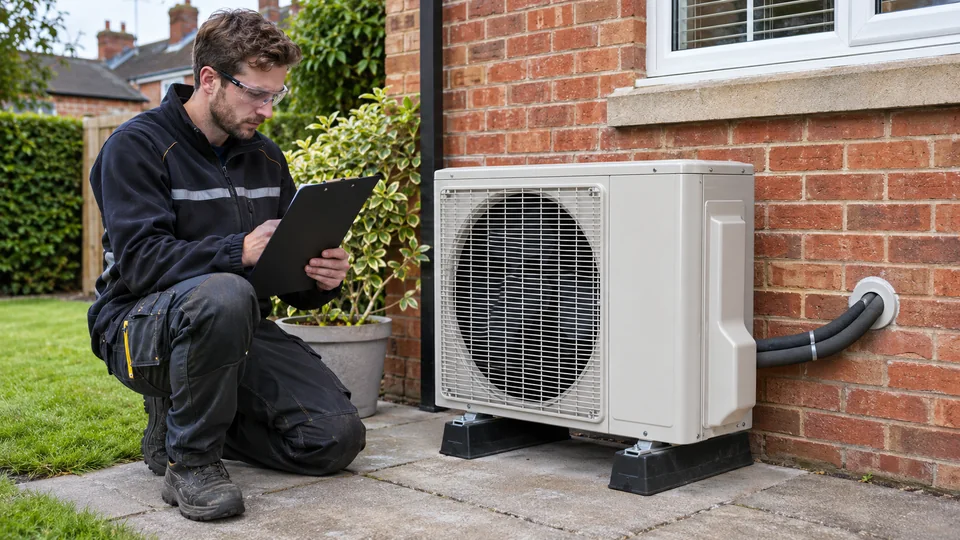
Define the section being tested, including valves, accessories and any components that must be isolated or protected. A reading tells you about the connected volume, not an isolated branch elsewhere. Record the arrangement clearly enough that another engineer can understand which parts were included.
Mistake 1: relying on a familiar pressure
An engineer may remember a value from a previous installation and assume it applies again. That is unreliable. Different models, refrigerants, components and procedures can have different limits. The pressure rating of a hose does not establish the appropriate test pressure for the equipment attached to it.
Obtain the current installation instructions for the exact model and check the rating of every item exposed to the test. Where instructions are unclear or components have been combined, seek technical clarification before applying pressure. Do not resolve uncertainty by choosing a convenient number.
Mistake 2: using unsuitable gas or apparatus
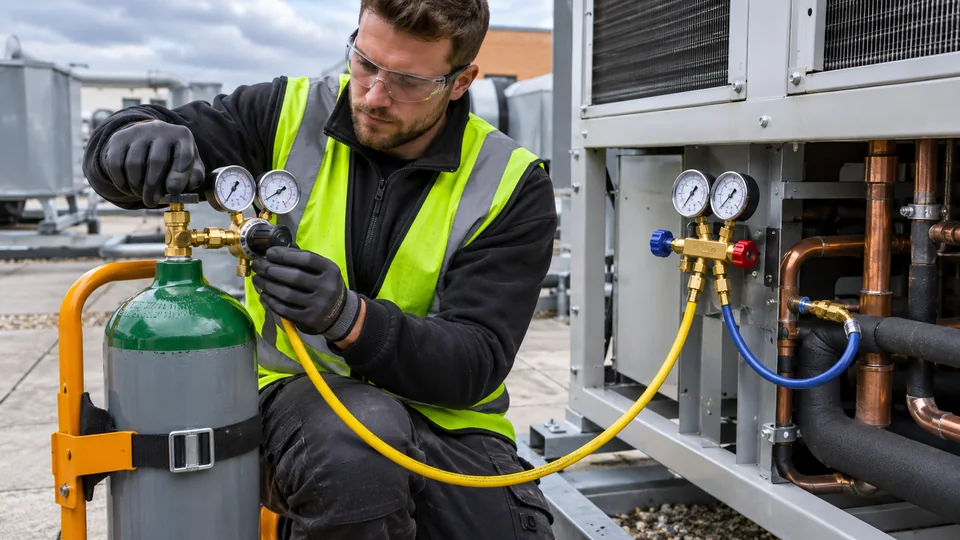
Use the specified suitable dry test gas, commonly oxygen-free nitrogen, with appropriate pressure-regulating and rated equipment. Never use oxygen or compressed air for refrigerant-system pressure testing. Oxygen can react dangerously with oil and other materials; compressed air also introduces moisture and contamination and can create hazardous mixtures.
The setup needs more than a cylinder and a manifold. Check cylinder security, regulator suitability, hose condition, connection compatibility and the pressure limitations of the complete arrangement. Establish safe control of pressure and a planned means of depressurisation. Follow the risk assessment and manufacturer's instructions throughout.
Mistake 3: overlooking the test equipment
A leaking hose seal, manifold valve or service connection can imitate a system leak. Repeatedly remaking refrigerant joints without checking the apparatus may waste time and damage sound work. Equipment condition and appropriate calibration or verification are part of meaningful testing.
Check accessible test connections using a suitable approved leak-detection method. If the result is uncertain, investigate the arrangement systematically rather than tightening everything indiscriminately. Stop and remove pressure safely before making adjustments that require disconnection or reworking a joint.
Mistake 4: ignoring temperature
Gas pressure changes with temperature. Sunlight on pipework, a cooling cylinder or changing ambient conditions can influence readings. A pressure decrease after an initially warm fill is not automatically evidence of leakage, and a temperature increase can mask a loss.
Record relevant temperatures and allow for stabilisation as required by the procedure. Comparisons need consistent conditions and an understanding of what was measured. Do not use an improvised correction to excuse a suspicious result; investigate uncertainty and follow the specified acceptance method.
Mistake 5: treating a standing test as the whole inspection
A standing reading has limited diagnostic value without targeted inspection. Joints, valves and service connections need the applicable leak checks. Ensure the chosen detector or solution is appropriate for the gas and task; an electronic refrigerant detector does not automatically detect pure nitrogen.
Access matters too. A connection hidden behind a finished panel may be difficult to inspect or rework later. Plan testing before making joints inaccessible. Document any limitation and resolve it before declaring the installation complete.
Mistake 6: confusing pressure testing with evacuation
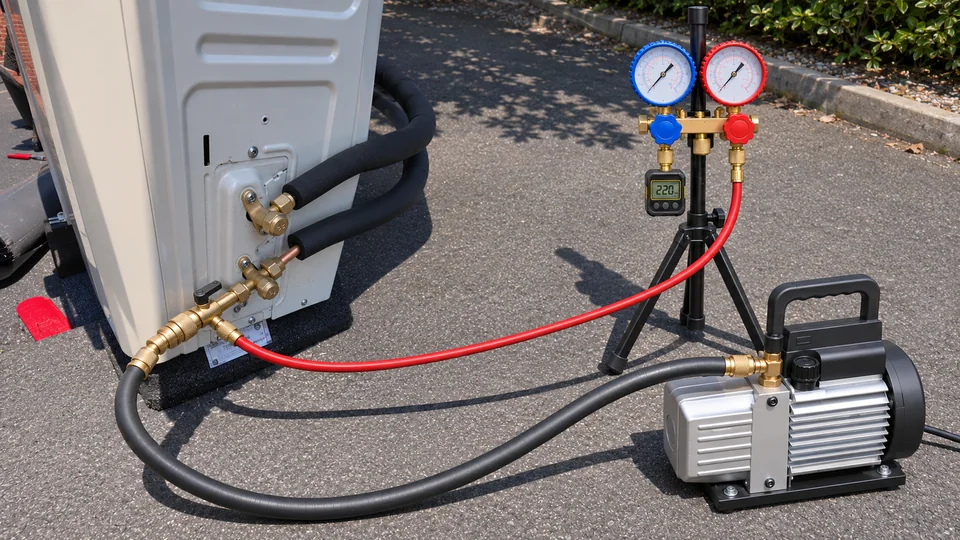
Positive-pressure testing and evacuation have different purposes. Evacuation removes air and moisture from the prepared circuit; it is not a substitute for the required pressure checks. Some joints behave differently under positive pressure and vacuum, and the evacuation setup can introduce its own uncertainties.
Once the applicable pressure test is satisfactory and the system is safely prepared, use the correct evacuation procedure. Our guide to a system that will not hold vacuum explains why equipment faults, moisture and leaks can produce confusing results.
Record enough to make the result useful
A useful record identifies the equipment and tested circuit, procedure used, instruments, test medium, pressure and timing, relevant temperatures, inspection findings and remedial work. Record actual results rather than a pre-filled tick that says only “passed”. Keep any required sign-off traceable to the person responsible.
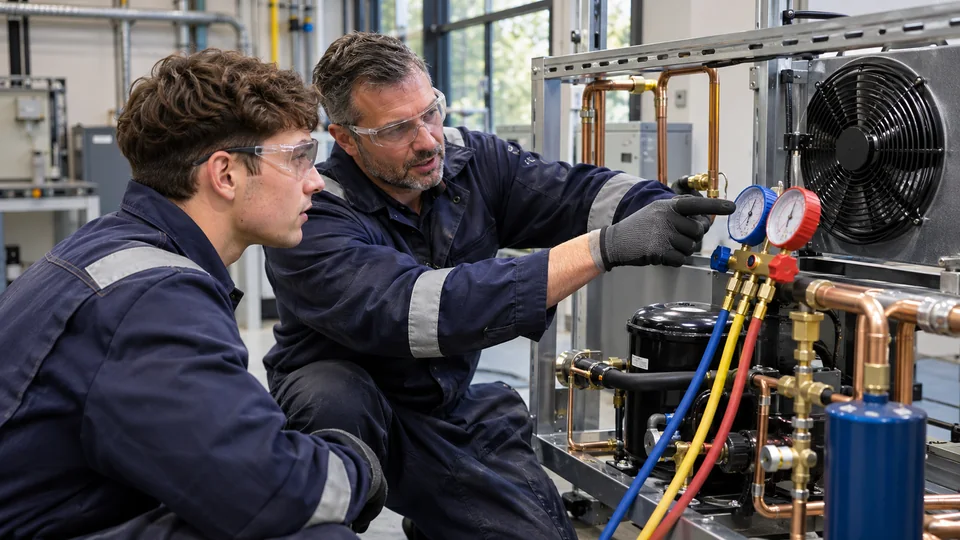
Pressure testing is one stage in the commissioning process. If your uncertainty concerns setup or interpretation, focused refresher practice can help develop a repeatable approach. F-Gas 1 provides practical on-site coaching for appropriately qualified engineers.
Reference for equipment-specific detail
The Daikin R32 split installer reference guide illustrates model-specific leak-test and vacuum-drying instructions. It is an example, not a procedure to transfer to unrelated equipment. Always obtain the documentation for the system you are actually working on.